
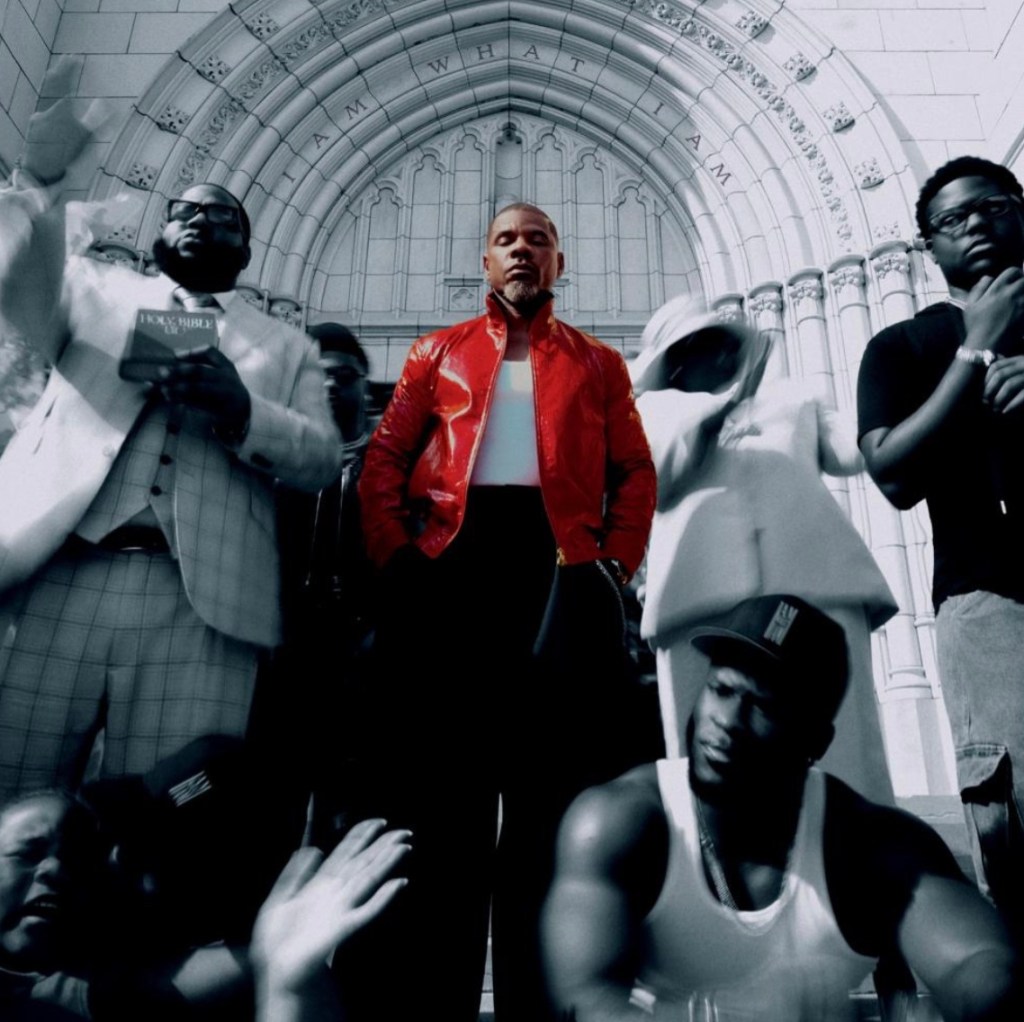
With a new double album and a soundtrack for Tyler Perry’s Netflix holiday film, the gospel innovator is once again challenging assumptions about what faith-based music can sound like.
NEW YORK — Kirk Franklin has spent much of his career making gospel music that refuses to stay inside one musical lane. His latest projects suggest he has no intention of changing course.
Franklin produced the music for Tyler Perry’s The Gospel of Christmas, which began streaming on Netflix November 11. The film brings together gospel mainstays and R&B voices for a holiday story about faith, family and a struggling church. It arrives less than two weeks after Franklin released I Am What I Am, a double album that puts the traditional and contemporary sides of his artistry in direct conversation.
The timing makes for an interesting cultural moment. Franklin’s willingness to bring hip-hop, R&B and other popular sounds into gospel has helped introduce the genre to new listeners for decades. It has also drawn criticism from some religious audiences who question whether collaborations with secular performers blur the line between ministry and mainstream entertainment.
That debate resurfaced around “This Time,” Franklin’s collaboration with rapper GloRilla. During an October interview on Big Boy’s Neighborhood, Franklin addressed criticism directed at the rapper by listeners who questioned whether she belonged on a gospel record. His response underscored a recurring conviction in his work: the conversation about faith should not be restricted to artists who fit one image of religious respectability.
The disagreement is not simply about a beat or a guest feature. For some listeners, gospel’s identity is inseparable from church tradition and a clear distinction from secular music. For others, the genre has always evolved by meeting people where they are. Franklin’s career has repeatedly occupied that contested space.
His new album makes the contrast especially visible. Released October 30, I Am What I Am features 14 tracks split between seven studio recordings and seven live performances. The contemporary half includes GloRilla, Davido, Jelly Roll and Tobe Nwigwe, while the live side returns to the choir-centered sound that helped establish Franklin’s career, with appearances including Karen Clark Sheard and Tim Rogers. Rather than choosing one approach, the project presents both as parts of the same artist.
Another example of that approach is Franklin’s collaboration with Nigerian Afrobeats artist Davido on “Hope In You,” from I Am What I Am. Their From The Block performance brings the crossover into view, placing two musical traditions in the same performance. It gives listeners something concrete to consider in the debate over where gospel begins and ends.
Perry’s The Gospel of Christmas offers another setting for that musical philosophy. Starring Tank as Isaac, an R&B singer turned pastor, and Fantasia Barrino Taylor as his wife, Rebecca, the film follows a family trying to restore a struggling New York City church. The cast includes gospel figures such as Shirley Caesar, CeCe Winans, Yolanda Adams, Fred Hammond and members of the Clark family.
For the soundtrack, Franklin draws from gospel standards, Christian worship, holiday songs and music outside conventional gospel categories. The film includes Fantasia’s performance of Stevie Wonder’s “Evil,” alongside performances rooted in the Black church’s musical tradition. That combination is central to the film’s sound, not a departure from it.
Perry has said he wanted the film to return viewers to the love and hope at the center of Christmas. Franklin’s role helps translate that intention into music, using familiar church voices alongside sounds that reflect a wider musical world.
The film also arrives with its own soundtrack release, separate from Franklin’s I Am What I Am. That distinction matters: one project accompanies Perry’s fictional holiday story, while the other is Franklin’s personal statement about his identity and musical range.
Taken together, the releases pose a question that has followed Franklin for years: does gospel lose something when it embraces contemporary culture, or can that openness carry its message further? The answer depends in part on what listeners believe gospel music is supposed to protect — and whom it is meant to reach.
Tyler Perry’s The Gospel of Christmas is now streaming on Netflix. Kirk Franklin’s I Am What I Am and the film’s soundtrack are available on major music streaming platforms.

